
Key Takeaways for Homeowners
- •Dallas municipal water averages 120 to 180 mg/L of dissolved calcium and magnesium.
- •Mineral scale insulates water heater tanks, accelerating metal fatigue and burnout.
- •Hard water causes faucet cartridges and angle stop valves to seize prematurely.
- •Annual water heater flushes and whole-home water softeners protect appliances.
Direct Answer: How Hard Municipal Water Damages Plumbing Systems
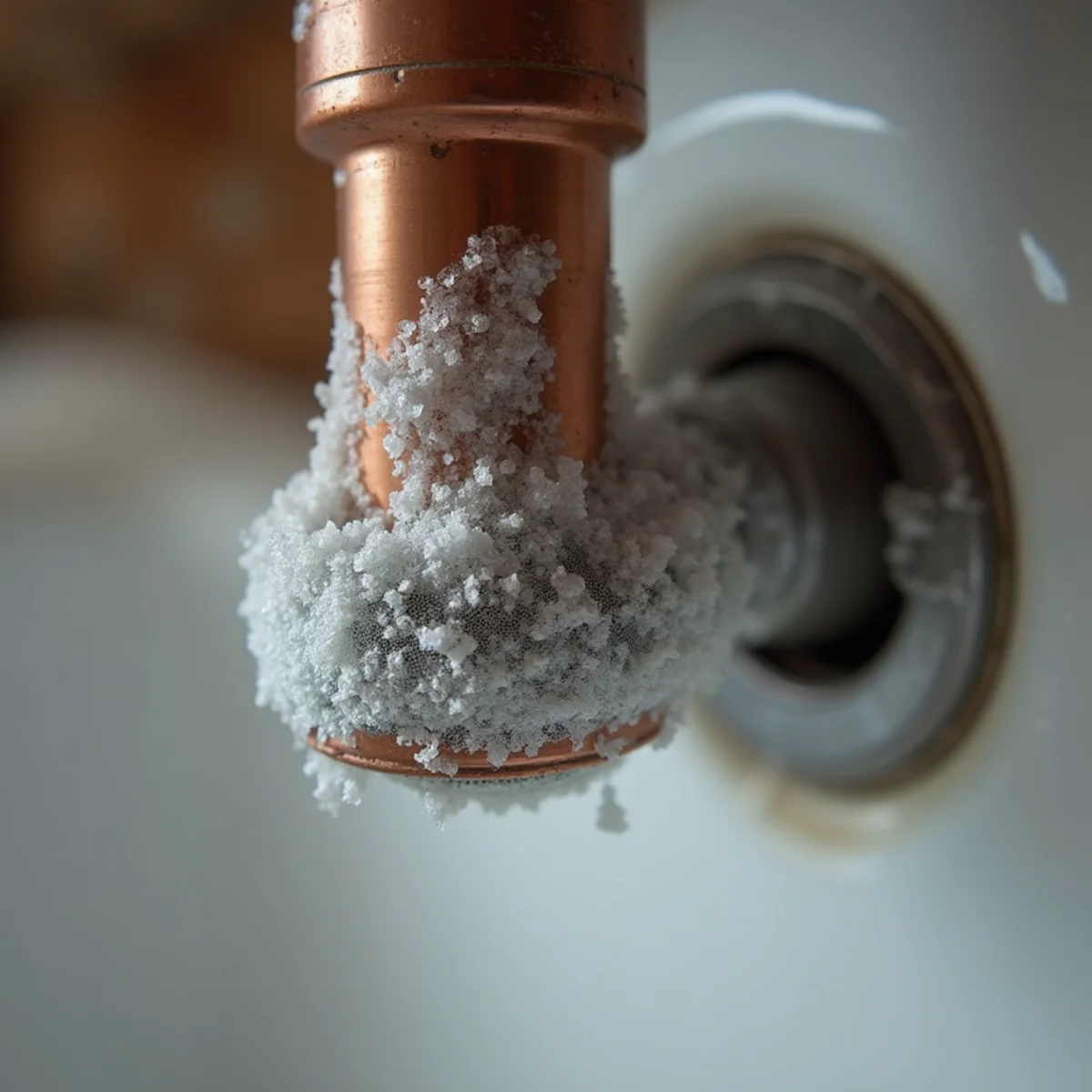
Dallas-supplied municipal tap water in Duncanville, Cedar Hill, and Midlothian carries between 120 and 180 parts per million (7 to 11 grains per gallon) of dissolved calcium and magnesium carbonate, classifying it as moderately hard to hard. When heated above 120°F, these minerals precipitate out of solution, forming dense limescale that insulates water heater tank bottoms, burns out electric elements, seizes ceramic faucet cartridges, and chokes pipe diameters. Left unaddressed, scale accumulation cuts water heater efficiency by up to 25% and halves the expected lifespan of major water-using appliances.
If your fixtures show white crusting or your water heater rumbles, call Ten Mile Creek Plumbers at (858) 363-8298 for water quality testing and descaling services.
The Chemistry of Dallas County Tap Water: Mineral Grains Per Gallon
The City of Duncanville receives treated surface water drawn from area reservoirs (including Lake Ray Hubbard, Lewisville Lake, and Lake Tawakoni) managed by Dallas Water Utilities (DWU). Unlike soft rainwater, lake water dissolves limestone, dolomite, and gypsum strata during regional river basin runoff.
Water hardness is officially measured in Grains Per Gallon (GPG). Anything over 7 GPG is considered 'hard'. Duncanville municipal tests consistently record 7.5 to 10.5 GPG. Every 1,000 gallons of water entering your home introduces approximately 1.2 pounds of dissolved rock into your plumbing network.
Accelerated Failure in Water Heaters, Dishwashers, and Fixtures
Heating water dramatically accelerates calcium precipitation. Inside storage tank water heaters, mineral crystals bond into rock-like sediment beds 3 to 5 inches thick. This layer acts as a thermal insulator between the gas flame and water, causing the bottom tank steel to overheat and fracture.
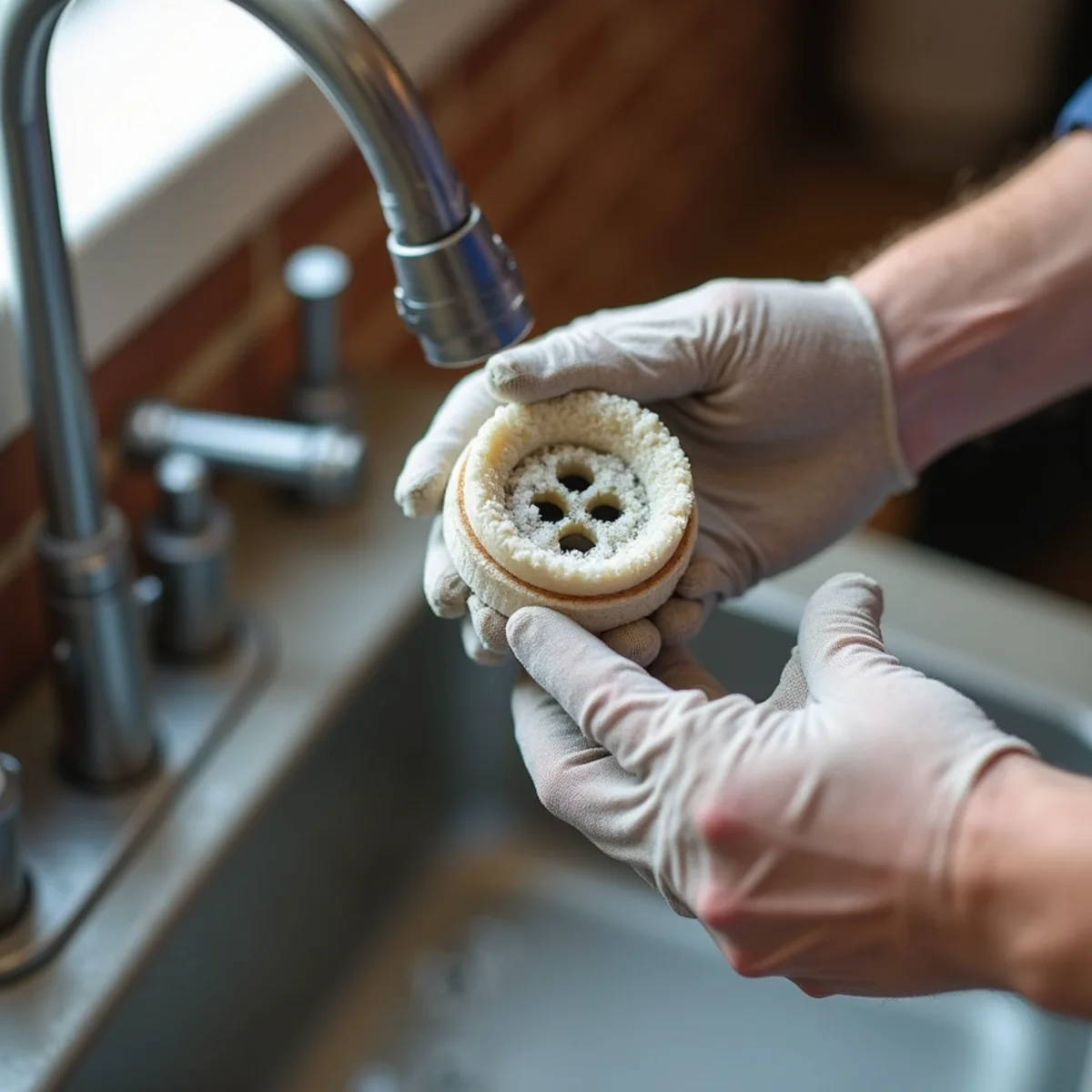
In electric tanks, scale encrusts the 240V immersion elements; unable to transfer heat into the surrounding water, the element coils overheat and snap. Dishwashers and washing machine solenoid fill valves become crusted with lime, causing internal rubber seals to stick open and overflow.
Need Hands-On Emergency Assistance?
Speak directly with our local Duncanville dispatch desk at (858) 363-8298.
Galvanic Corrosion, Valve Seizures, and Micro-Pinhole Leaks
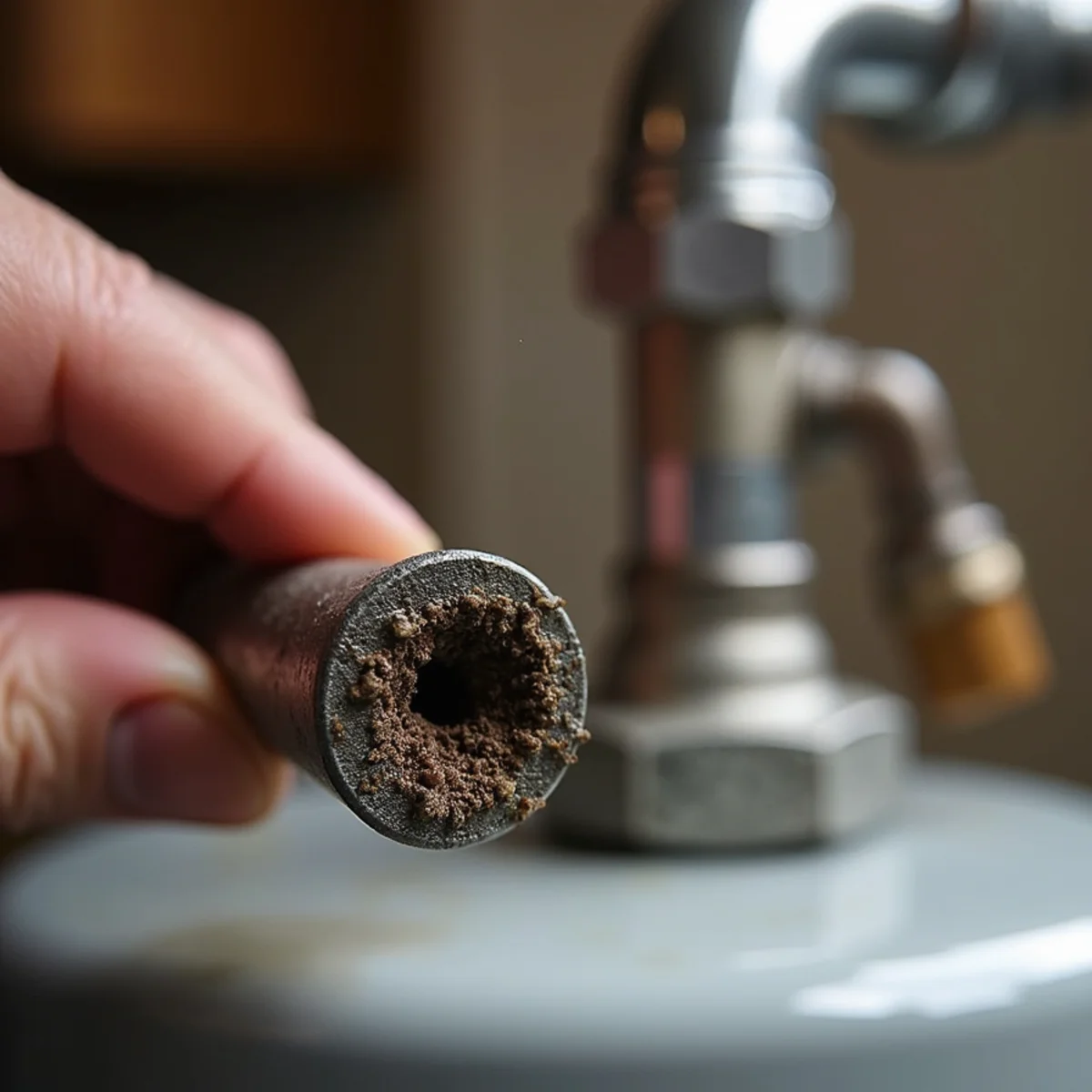
Beyond simple scale coating, hard mineral salts alter the electrical conductivity of water. In copper plumbing systems, localized mineral deposits create differential aeration cells on the interior pipe wall. These micro-environments accelerate pitting corrosion (pinhole slab leaks) through galvanic cell action.
Furthermore, quarter-turn shutoff ball valves and fixture angle stops that sit motionless for years become frozen in place by calcium crusting. When a homeowner attempts to force a seized valve during a leak emergency, the stem breaks, causing secondary flooding.
Whole-Home Water Treatment Solutions: Softeners vs. Scale Reducers
Homeowners have two proven methods to protect their residential infrastructure:
1. Ion-Exchange Water Softeners: Salt-based systems that swap calcium and magnesium ions for sodium ions, eliminating 99% of hardness. This eliminates soap scum, protects tankless heat exchangers, and prolongs appliance life.
2. Template-Assisted Crystallization (TAC) Conditioners: Salt-free scale prevention systems that convert dissolved minerals into microscopic inert crystals that cannot bond to metal surfaces, offering maintenance-free protection without sodium discharge.
Hard Water Mineral Impact on Residential Plumbing Infrastructure
| Plumbing Component | Mineral Scale Degradation Mechanism | Unmitigated Life Expectancy | Standard Service Life (Treated Water) | Recommended Protection Protocol |
|---|---|---|---|---|
| Gas Tank Water Heater | Bottom sediment bed causes overheating & fatigue | 6 to 8 Years | 12 to 15 Years | Annual tank flush & anode rod inspection |
| Tankless Water Heater | Micro-tube scale causes burner lockouts & error codes | 5 to 7 Years (Un-descaled) | 20+ Years | Annual recirculating white vinegar pump flush |
| Electric Heating Element | Encrusted sheath overheats and burns out wire | 2 to 4 Years | 8 to 10 Years | Upgrade to low-watt-density titanium elements |
| Faucet & Shower Cartridges | Calcium scoring shreds rubber O-rings & ceramic discs | 3 to 5 Years | 10 to 15 Years | Clean aerators biannually in white vinegar |
| Under-Sink Angle Stop Valves | Mineral crust freezes brass ball stem in place | 4 to 6 Years before seizing | 15+ Years | Exercise valves twice yearly; install ball valves |
Sacrificial Anode Rod Degradation and the 'Rotten Egg' Water Odor
Every glass-lined residential water heater contains a sacrificial anode rod (made of magnesium or aluminum) designed to corrode before the steel tank does. In Dallas County, high dissolved mineral content combined with natural sulfate ions creates an aggressive electrochemical reaction. The magnesium anode rod donates electrons to protect micro-cracks in the tank glass lining, but sulfur-reducing bacteria in the water feed on the resulting hydrogen gas, creating hydrogen sulfide (a pungent rotten-egg smell in hot water lines). If you notice this odor in Duncanville, do not shock your tank with bleach. A licensed plumber can replace the magnesium rod with an aluminum-zinc alloy rod or install an active powered titanium anode rod. This eliminates the bacterial reaction while preserving full corrosion protection for your tank.
Frequently Asked Questions
Practical answers from our local plumbing repair team.
No. Dissolved calcium and magnesium are essential human dietary minerals, and hard water meets all EPA National Primary Drinking Water Standards. Its damage is purely physical and mechanical: destroying water heaters, scaling pipes, drying out skin and hair, and causing dingy laundry.
Related Services & Local Coverage
Explore our dedicated service options and neighboring dispatch areas:
Don't Let Plumbing Problems Escalate
Every plumber we send is licensed and insured in Texas. Upfront written price given before work starts.
Not Urgent? Send a Service Request
If your plumbing project can wait for scheduled daytime evaluation, submit your details below. We will coordinate with an independent licensed Texas plumber in Duncanville to confirm your appointment.
Do not wait for a form response if water is spreading or sewage is surfacing. For the fastest help, call immediately:
(858) 363-8298 (Answering 24/7)