Key Takeaways for Homeowners
- •Unexplained jumps in municipal water bills often signal concealed sub-slab leaks.
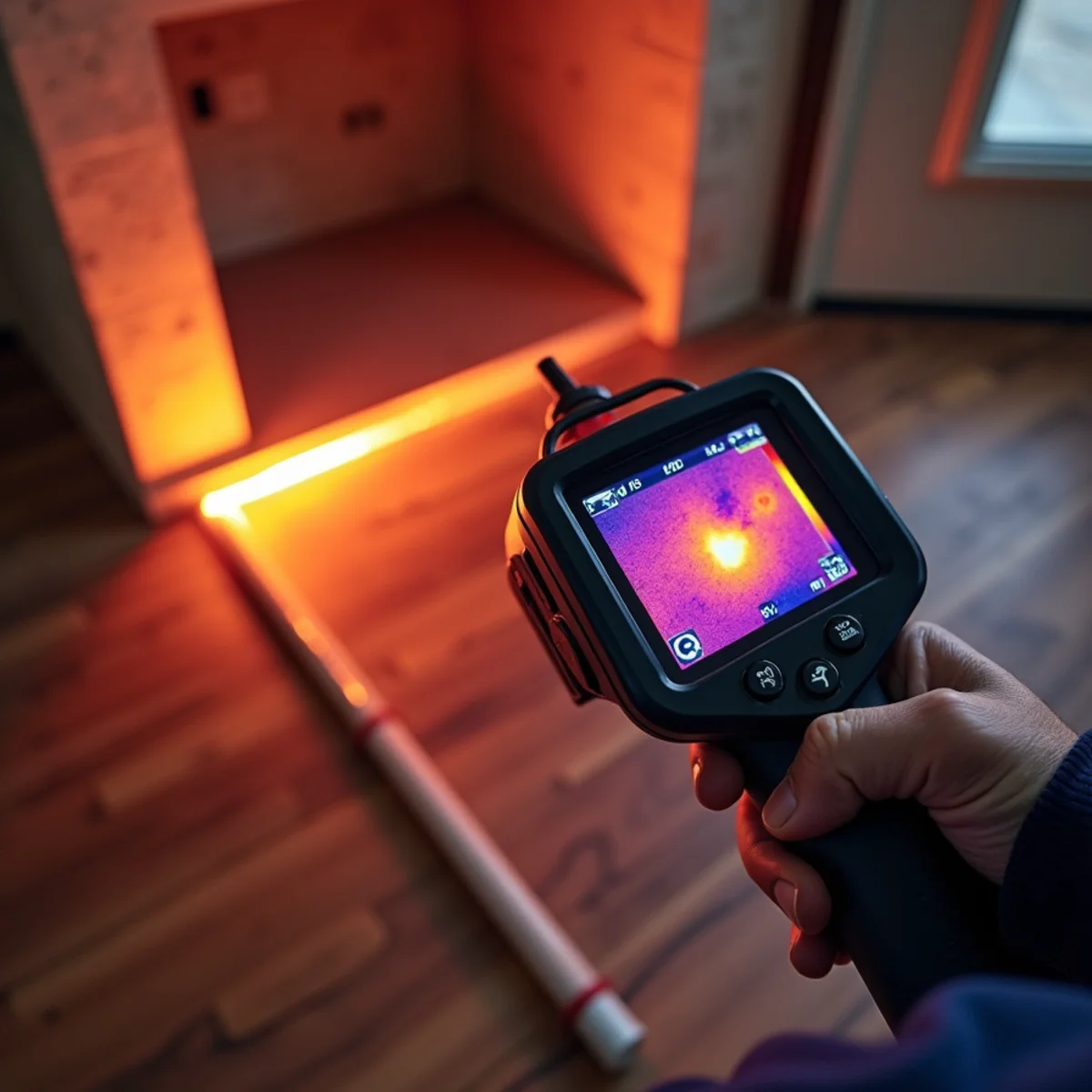
- •Warm or hot floor areas indicate a rupture on the hot domestic water line.
- •The sound of running water behind walls when fixtures are off is a primary warning.
- •Foundation cracks and sticking doors can result from clay soil swelling under leak water.
Direct Answer: How to Identify a Slab Leak Early
The seven most common signs of an under-slab plumbing leak in North Texas are: (1) a sudden, unexplainable spike in your monthly water utility bill; (2) warm or hot patches on tile, hardwood, or vinyl flooring; (3) the continuous sound of running or hissing water when all taps are closed; (4) a constantly turning water meter register; (5) damp carpet, damp baseboards, or peeling vinyl flooring; (6) sudden hairline cracks in interior sheetrock, floor tiles, or exterior brick mortar; and (7) reduced household water pressure across multiple fixtures.
If you observe any combination of these symptoms in your Duncanville, DeSoto, or Lancaster home, call Ten Mile Creek Plumbers at (858) 363-8298 for non-invasive electronic slab leak detection before soil heaving causes foundation settlement.
Sign 1: Sudden Spikes in Your Water Bill
Unless you recently filled a swimming pool or ran intensive lawn irrigation during peak summer drought, your monthly water usage should remain relatively steady. A pinhole leak in a 1/2-inch underground copper pipe at 60 PSI can lose over 250 gallons of water per day—adding hundreds of dollars to your monthly city utility statement.

Sign 2: Warm Spots on Your Finished Floors
In North Texas slab homes, domestic hot water lines often route directly through the concrete slab to reach island kitchens or opposite-side bathrooms. When an underground hot water line splits, hot water radiates upward through the concrete slab, heating the floor above. Walking barefoot across a distinctly warm patch of tile or linoleum is one of the clearest indicators of a hot-water slab leak.

Need Hands-On Emergency Assistance?
Speak directly with our local Duncanville dispatch desk at (858) 363-8298.
Sign 3: The Hiss of Running Water in a Silent House
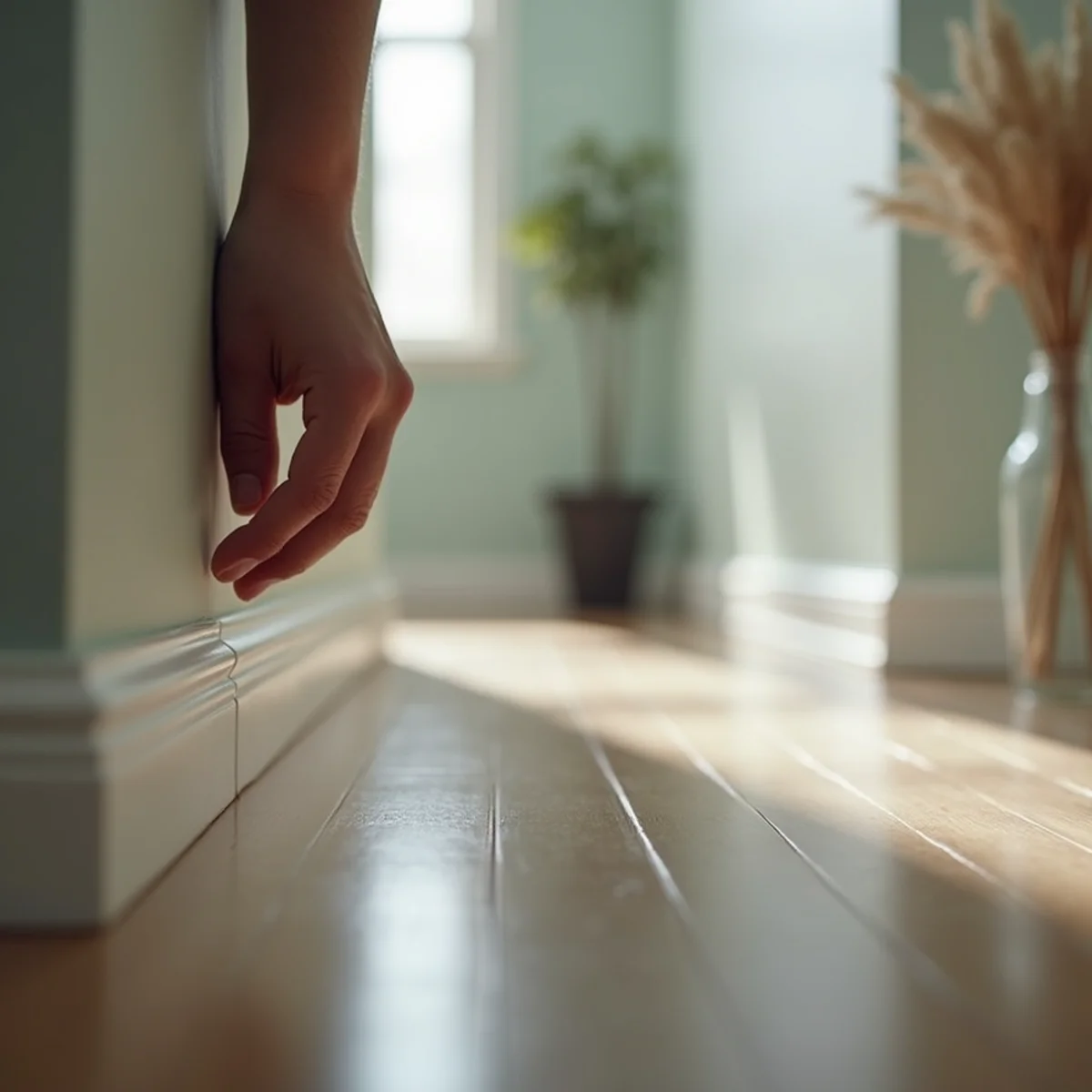
When the house is quiet late at night, a pressurized subterranean leak creates a distinct, continuous hissing or rushing sound resembling a toilet running in another room. If you hear water rushing beneath your hallway, bathroom, or kitchen floor when all faucets are shut, water is actively escaping into your subgrade.
Sign 4: The Spinning Water Meter Test
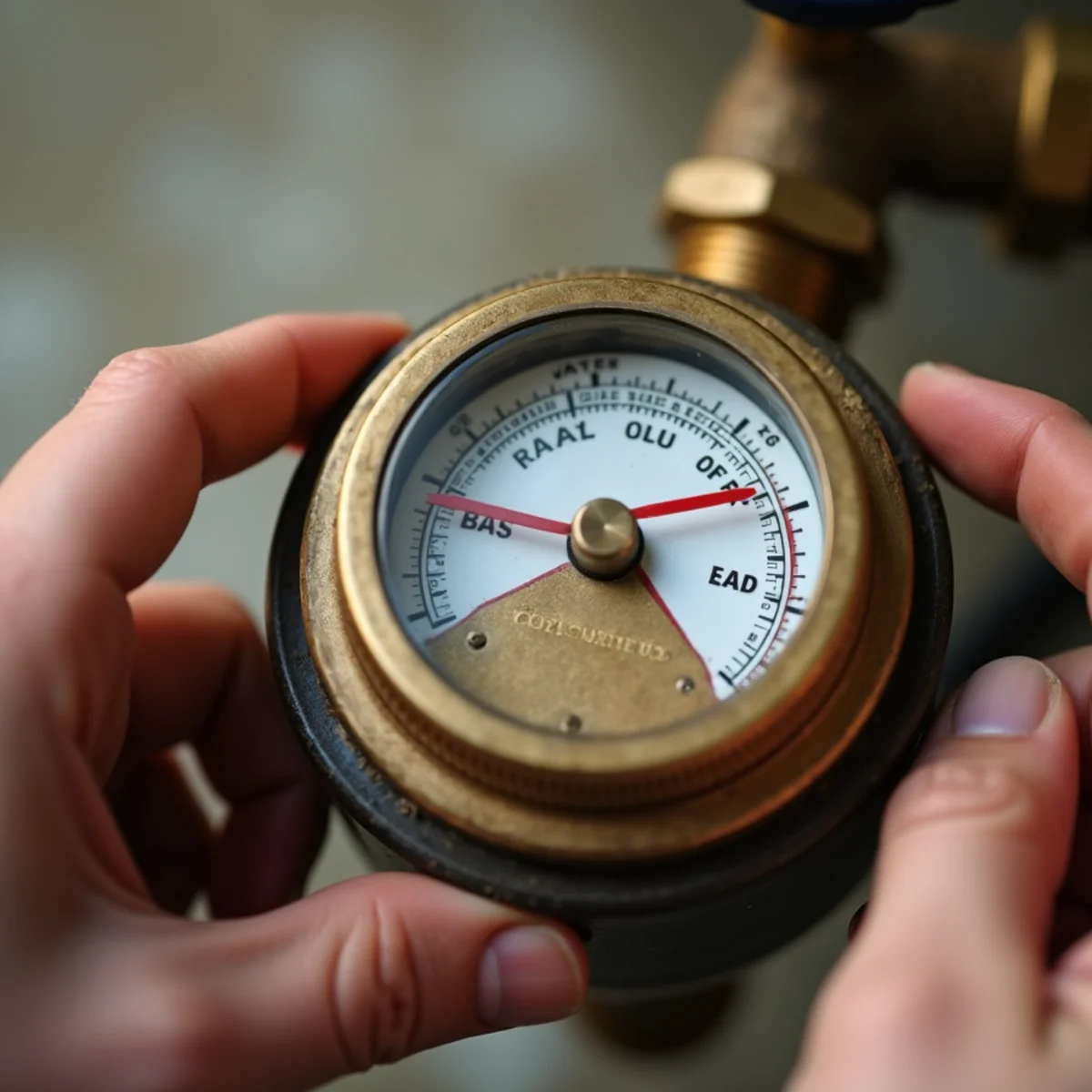
Your city water meter is an infallible diagnostic tool. Turn off all faucets, washing machines, and ice makers. Walk out to your water meter box at the street curb and lift the lid. Look closely at the meter face: if the small triangular low-flow dial or digital flow rate is actively moving, water is leaking somewhere on your property.
Sign 5: Damp Carpet, Mold, and Warped Baseboards
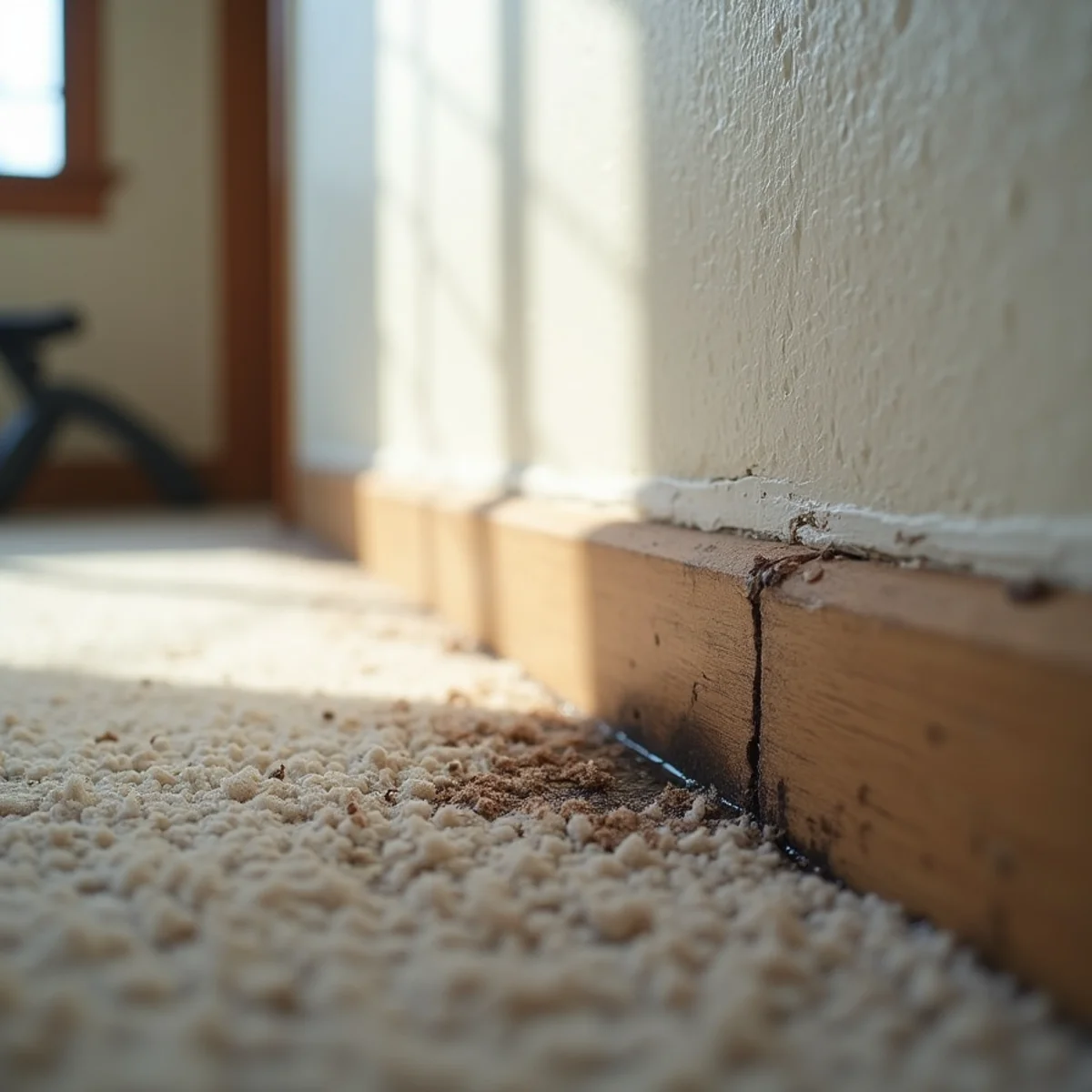
Water naturally seeks the path of least resistance through microscopic pores and hairline cracks in concrete. Over days, escaping water wicks upward into carpet padding, causes laminate flooring to cup or buckle, and fosters dark mold growth along drywall baseboards.
Sign 6: Rapid Foundation Cracks and Sticking Doors
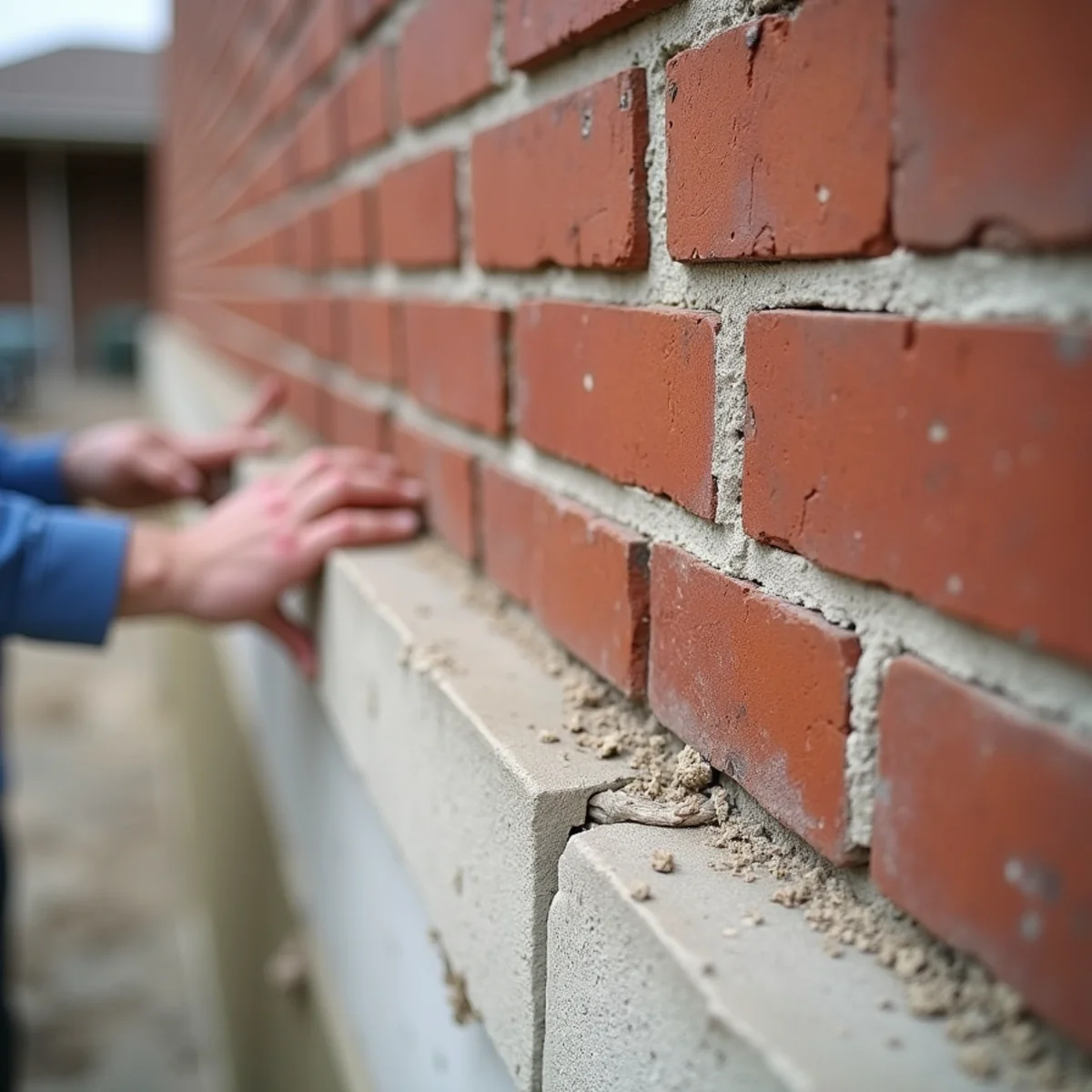
Duncanville's Blackland Prairie clay soil expands aggressively when saturated. Hundreds of gallons of water leaking beneath a slab causes localized soil swelling (heaving), forcing that corner of the foundation upward. This structural flex manifests as sticking interior doors, diagonal cracks across door frames, and stair-step cracks through exterior brick mortar joints.
Sign 7: Unexplained Drops in Household Water Pressure
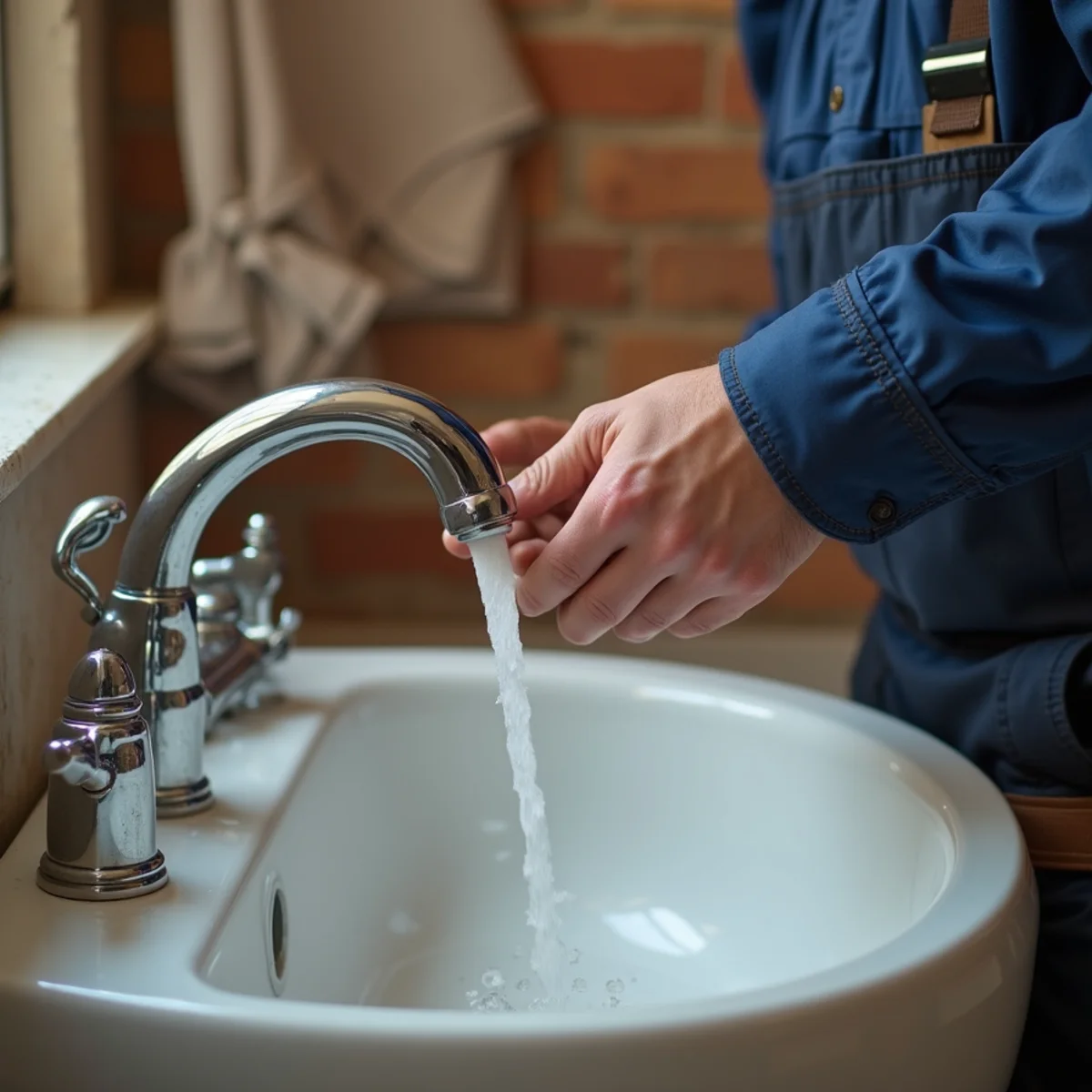
If water pressure drops noticeably when showering or running a sink—and the issue is not isolated to an aerator—a large volume of pressurized water may be escaping under the foundation before reaching your fixtures.
Under-Slab Leak Diagnostics: Symptom Correlation & Repair Methodologies
| Observed Symptom | Underlying Pipe Failure | Diagnostic Tool Employed | Recommended Permanent Fix |
|---|---|---|---|
| Warm tile or laminate patch | Hot domestic water line pinhole or split | Infrared thermal imaging camera | Overhead PEX attic bypass routing |
| Continuous hissing in hallway | High-pressure cold water supply line rupture | Acoustic ground sensor & pipe tracer | Isolated ceiling-to-fixture PEX reroute |
| Spinning meter with taps off | Supply-side line pressurized leak | Pressure manifold differential testing | Non-invasive electronic line isolation |
| Foul odor & sluggish drains | Drain lateral cast iron bottom rot or crack | Fiber-optic high-def sewer camera | Trenchless epoxy pipe relining or spot tunnel |
| Exterior brick stair-step cracks | Soil heaving from prolonged slab water loss | Hydrostatic testing & laser elevation scan | Line reroute plus foundation stabilization consult |
Why Overhead PEX Rerouting Trumps Jackhammering Slab Foundations
When an under-slab copper line develops a pinhole leak from clay soil friction or mineral pitting, traditional contractors often propose jackhammering directly through finished tile, hardwood, and the post-tension foundation slab. At Ten Mile Creek Plumbers, we strongly advise against jackhammering unless absolutely unavoidable. Punching holes through a concrete slab compromises structural integrity, creates hazardous silica dust, and leaves the remaining 40-year-old copper piping buried in corrosive soil, virtually guaranteeing another slab leak nearby within 18 months. Instead, we isolate and cap the failed underground line and install a commercial-grade PEX-a overhead bypass through interior wall cavities and the attic. The repair is completed in a single day, preserves your flooring, and permanently eliminates sub-slab leak vulnerability for that run.
Frequently Asked Questions
Practical answers from our local plumbing repair team.
Small pinhole leaks weeping into porous gravel or deep clay fissures can go unnoticed for three to six months. However, once water saturates the subgrade and begins migrating toward foundation beams or finished flooring, structural symptoms and water bill spikes develop rapidly.
Related Services & Local Coverage
Explore our dedicated service options and neighboring dispatch areas:
Don't Let Plumbing Problems Escalate
Every plumber we send is licensed and insured in Texas. Upfront written price given before work starts.
Not Urgent? Send a Service Request
If your plumbing project can wait for scheduled daytime evaluation, submit your details below. We will coordinate with an independent licensed Texas plumber in Duncanville to confirm your appointment.
Do not wait for a form response if water is spreading or sewage is surfacing. For the fastest help, call immediately:
(858) 363-8298 (Answering 24/7)