Key Takeaways for Homeowners
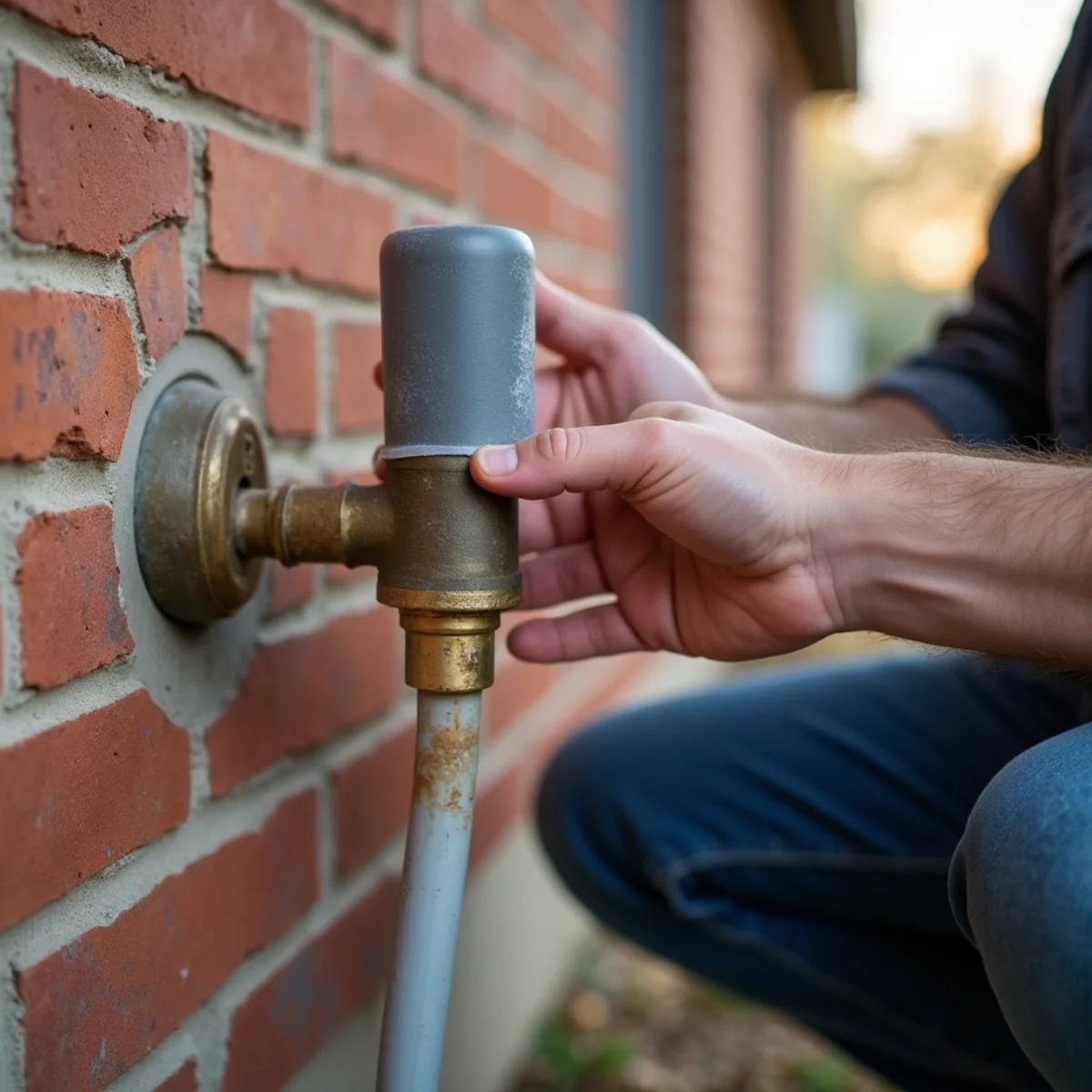
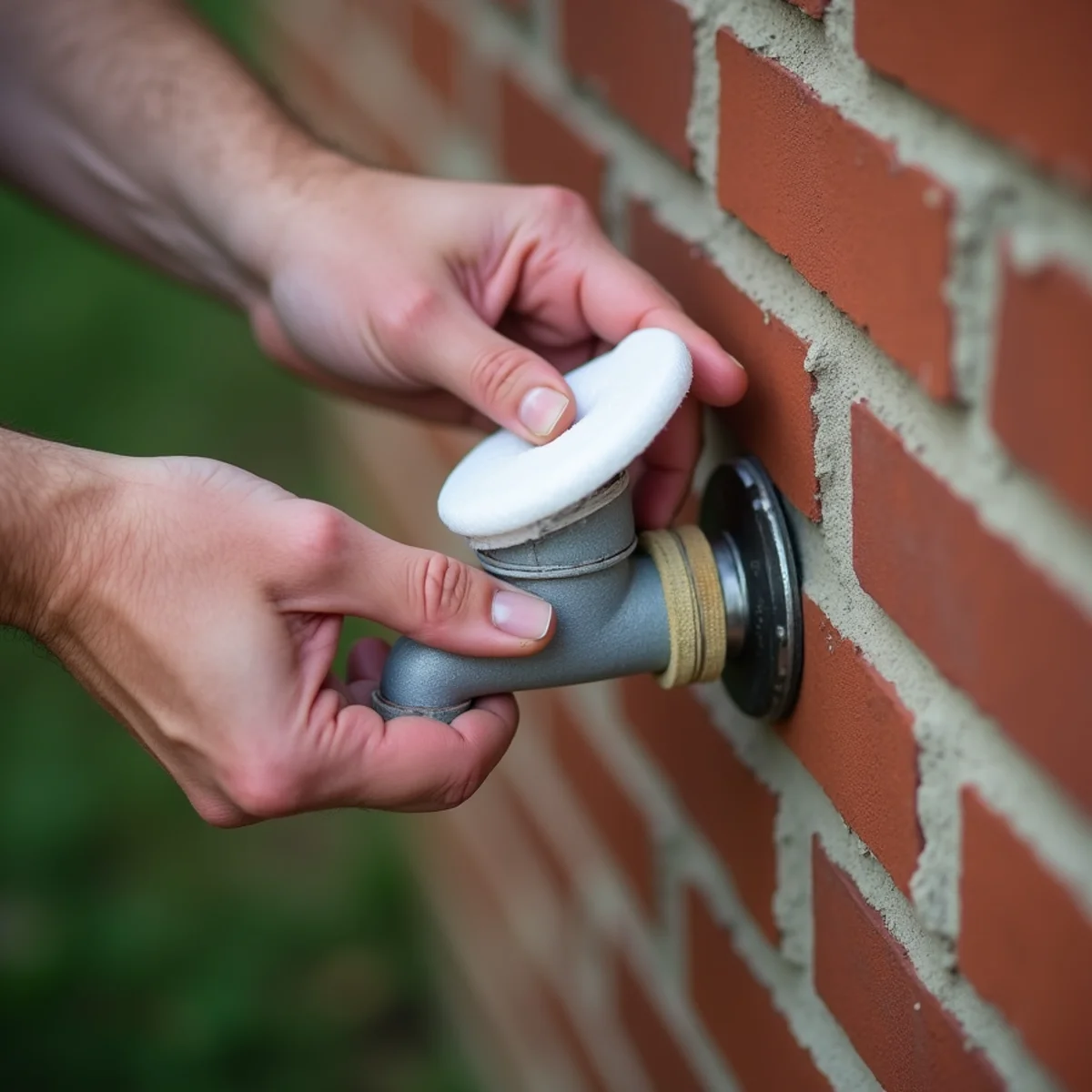
- •Disconnect all garden hoses and cover exterior hose bibs with insulated foam domes.
- •Drip faucets connected to uninsulated attic or exterior wall runs overnight.
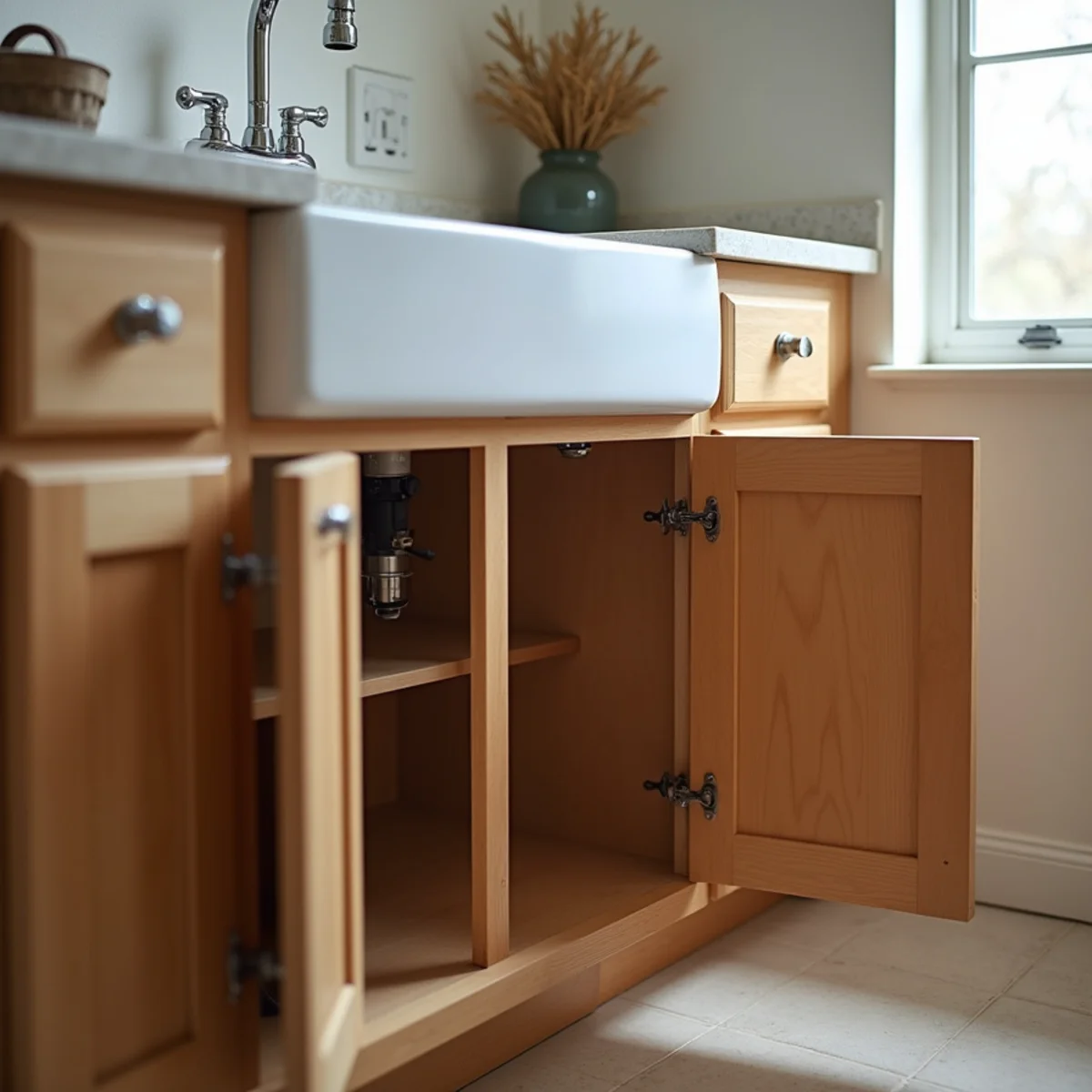
- •Open cabinet doors beneath kitchen and bathroom sinks to circulate room warmth.
- •Maintain indoor home heating at 68°F minimum throughout sub-freezing weather.
Direct Answer: How to Prevent Frozen Pipes in North Texas
To prevent water pipes from freezing and bursting during a North Texas hard freeze, complete these essential steps before temperatures drop below 28°F: (1) disconnect all garden hoses and install insulated foam covers over outdoor spigots; (2) open cabinet doors beneath all kitchen and bathroom sinks along exterior walls to allow warm air to reach supply lines; (3) leave cold and hot faucets dripping slightly (a pencil-lead thin stream) on fixtures fed by attic or exterior wall pipes; and (4) keep your central home heating set to at least 68°F, even when sleeping or away from home.
If your pipes freeze despite these precautions, call Ten Mile Creek Plumbers at (858) 363-8298 for emergency 24/7 thaw and repair services.
Why North Texas Homes Are Uniquely Vulnerable to Freezes
Unlike homes in northern states where plumbing is routed through heated basements and interior walls, Dallas County slab homes commonly route main water supply lines directly through unconditioned attic spaces. During extreme weather events—like Winter Storm Uri—attic temperatures match sub-zero outdoor ambient air within hours.
Furthermore, exterior hose spigots without frost-free vacuum breakers trap water directly inside brick exterior walls, causing immediate longitudinal copper splits when ice expands.
The Dripping Faucet Rule: How Much Is Enough?
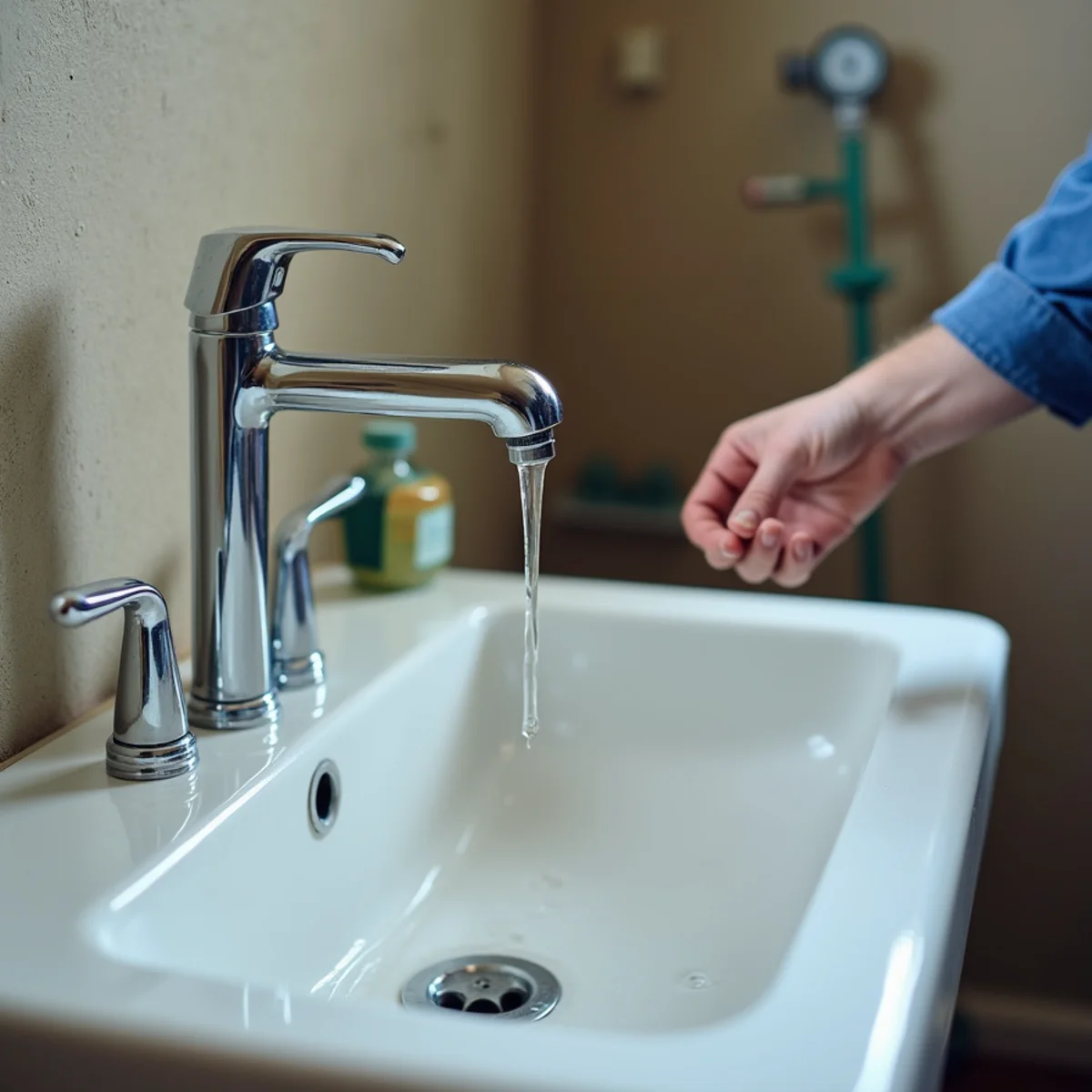
A single slow drip is not sufficient during extreme freezes. Homeowners should aim for a continuous, steady trickle roughly the thickness of a pencil lead on both the hot and cold sides. Moving water does not freeze as easily, and an open tap relieves the extreme hydrostatic pressure that builds between an ice dam and the faucet.
Need Hands-On Emergency Assistance?
Speak directly with our local Duncanville dispatch desk at (858) 363-8298.
What to Do If a Pipe Freezes
If you turn on a faucet and only a few drops emerge, the line is frozen. Immediately shut off the main water valve at the house or street curb to prevent indoor flooding when the ice thaws. Apply gentle, indirect heat using hair dryers or electric space heaters on exposed lines—NEVER use an open flame or blowtorch.
North Texas Freeze Temperature Triage: Action Timeline & Vulnerability
| Outdoor Temperature | Plumbing Vulnerability Level | Mandatory Action Required | Highest-Risk Failure Points |
|---|---|---|---|
| 32°F down to 28°F | Low / Moderate (Short dips) | Disconnect garden hoses; install insulated bib foam covers | Exposed outdoor hose spigots & lawn irrigation vacuum breakers |
| 27°F down to 20°F | High (6+ hours duration) | Drip exterior-wall faucets; open vanity/kitchen cabinets | Attic supply pipe runs over unheated garage & northern exterior walls |
| Below 20°F (Polar Vortex) | Severe / Critical (Widespread bursts) | Steady stream drip hot & cold; open attic access; maintain heat 68°F+ | Attic 90° copper elbows, uninsulated PEX risers, fire sprinkler lines |
| Rapid Thaw (Back above 35°F) | Flooding / Rupture Manifestation | Monitor water meter dial; inspect ceilings & closets continuously | Attic splits concealed by melted ice plugs spraying under full pressure |
Why Attic Pipe Insulation Alone Fails During Sustained North Texas Freezes
Many Dallas County homeowners assume that wrapping copper or PEX attic pipes in tubular polyethylene foam or fiberglass bats makes them immune to freezing. In reality, pipe insulation does not generate thermal energy—it only retards the rate of heat loss. When outdoor temperatures hover below 20°F for more than 12 consecutive hours, an unheated, vented attic reaches sub-freezing equilibrium with the outside air. Trapped stagnant water inside an insulated pipe will still freeze solid. Moving water, however, carries thermal energy from the municipal supply line (which remains around 55°F deep underground). Combining pipe insulation with a pencil-lead thin stream of running water is the only proven defense that keeps water flowing and prevents radial ice rupture.
Frequently Asked Questions
Practical answers from our local plumbing repair team.
Drip both. Domestic hot and cold water travel in separate parallel pipes through your unconditioned attic and exterior walls, and both are equally vulnerable to freezing. In fact, hot water lines often freeze faster due to the Mpemba effect and reduced dissolved air in heated water.
Related Services & Local Coverage
Explore our dedicated service options and neighboring dispatch areas:
Don't Let Plumbing Problems Escalate
Every plumber we send is licensed and insured in Texas. Upfront written price given before work starts.
Not Urgent? Send a Service Request
If your plumbing project can wait for scheduled daytime evaluation, submit your details below. We will coordinate with an independent licensed Texas plumber in Duncanville to confirm your appointment.
Do not wait for a form response if water is spreading or sewage is surfacing. For the fastest help, call immediately:
(858) 363-8298 (Answering 24/7)