Key Takeaways for Homeowners
- •Residential cast iron drain pipes have a typical lifespan of 40 to 50 years.
- •Internal sulfuric acid gas causes bottom 'channeling' where the pipe bottom rots out.
- •Under-slab tunneling allows complete PVC replacement without jackhammering interior floors.
- •Hydrostatic pressure testing verifies if your under-slab drain system is leaking into soil.
Direct Answer: The Lifespan of Dallas County Cast Iron Pipes
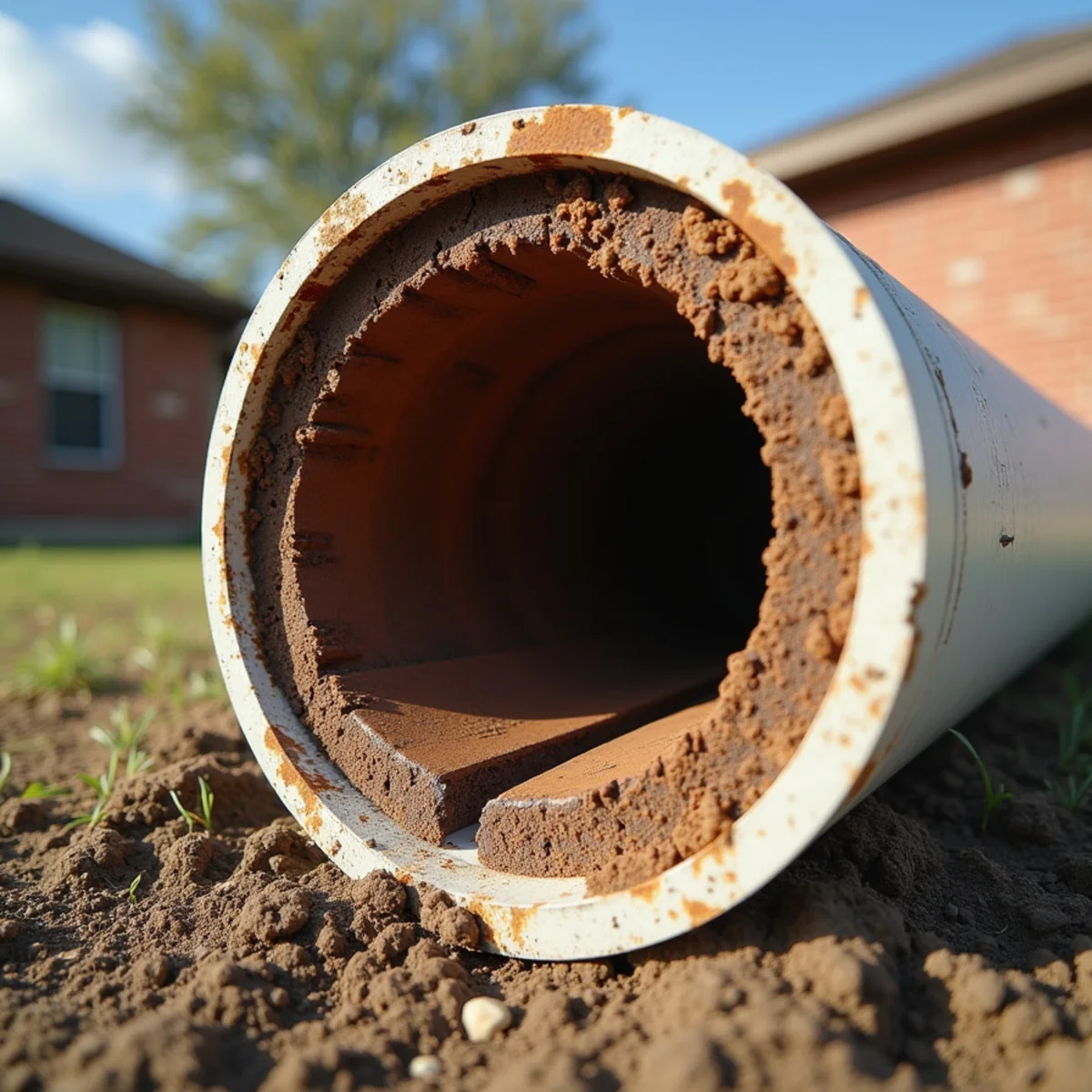
If your home in Duncanville, DeSoto, or Lancaster was built prior to 1975, your under-slab drain system is constructed of cast iron piping that has reached or exceeded its 40-to-50-year engineering lifespan. When cast iron lines begin suffering chronic clogs, rust flaking, and bottom channeling, localized mechanical snaking provides only temporary relief. Complete under-slab replacement using modern Schedule 40 PVC—executed via exterior tunneling—is the only permanent engineering solution that stops sewage leakage beneath your slab.
How Cast Iron Fails from the Inside Out: Channeling & Tuberculation
Cast iron pipes deteriorate through two simultaneous biochemical processes:
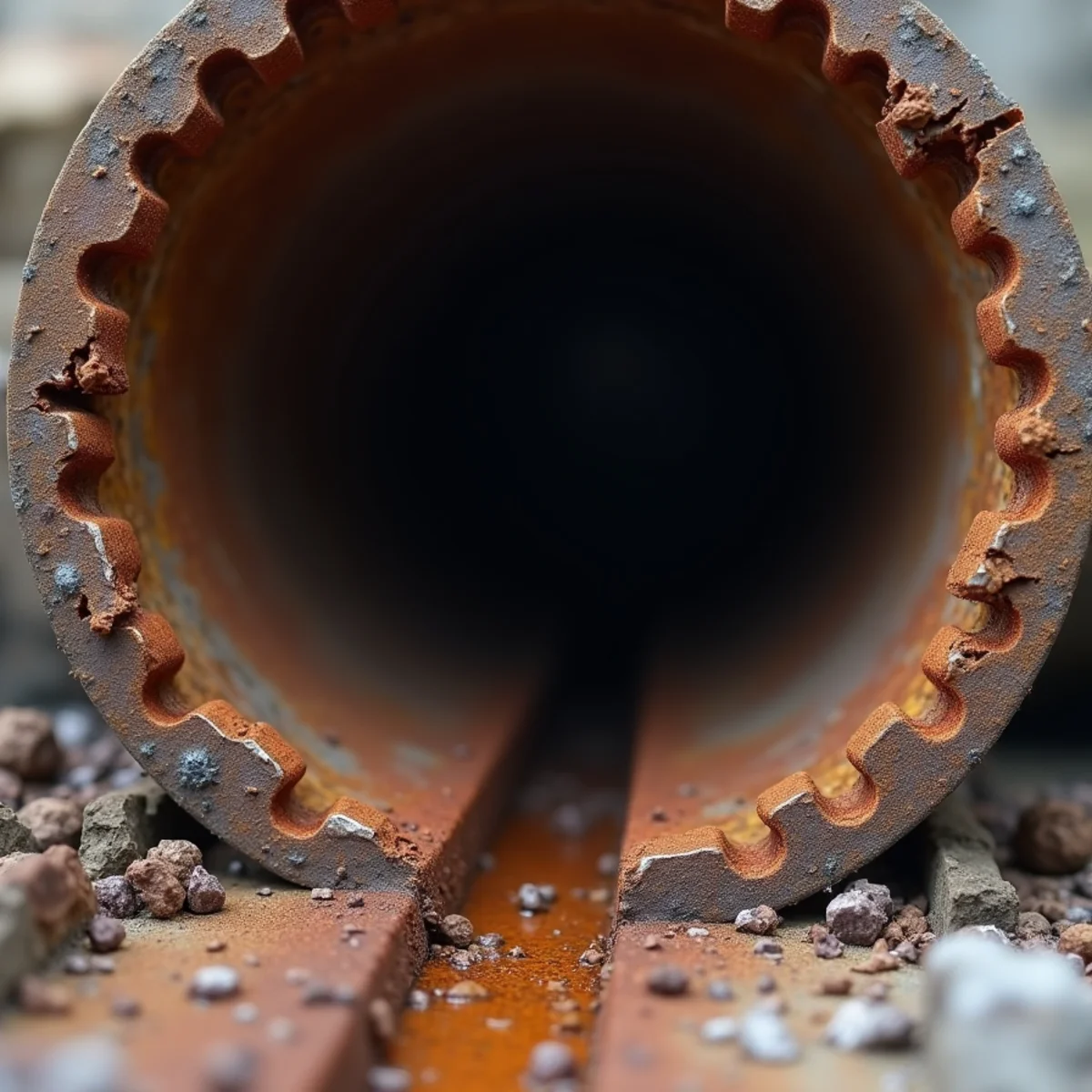
1. Bottom Channeling: Domestic sewage produces hydrogen sulfide gas, which bacteria convert into sulfuric acid. Because wastewater flows along the bottom invert of the pipe, this acid gradually dissolves the bottom metal. Eventually, the entire bottom channel dissolves, leaving an open trench in the dirt beneath your concrete foundation.
2. Rust Tuberculation: Above the water line, oxygen and moisture cause rough rust nodules (tuberculation) to sprout along pipe walls. These jagged formations catch toilet paper, feminine hygiene products, and grease, causing recurring main line clogs.
The Danger to Your Foundation: Soil Washing and Heaving
When channeled cast iron lines leak sewage directly into Duncanville's expansive Blackland clay, the surrounding soil expands and pushes against the slab, causing foundation heaving. Conversely, if wastewater washes soil away into underground voids, the slab loses support and cracks.
Need Hands-On Emergency Assistance?
Speak directly with our local Duncanville dispatch desk at (858) 363-8298.
Replacement via Under-Slab Tunneling
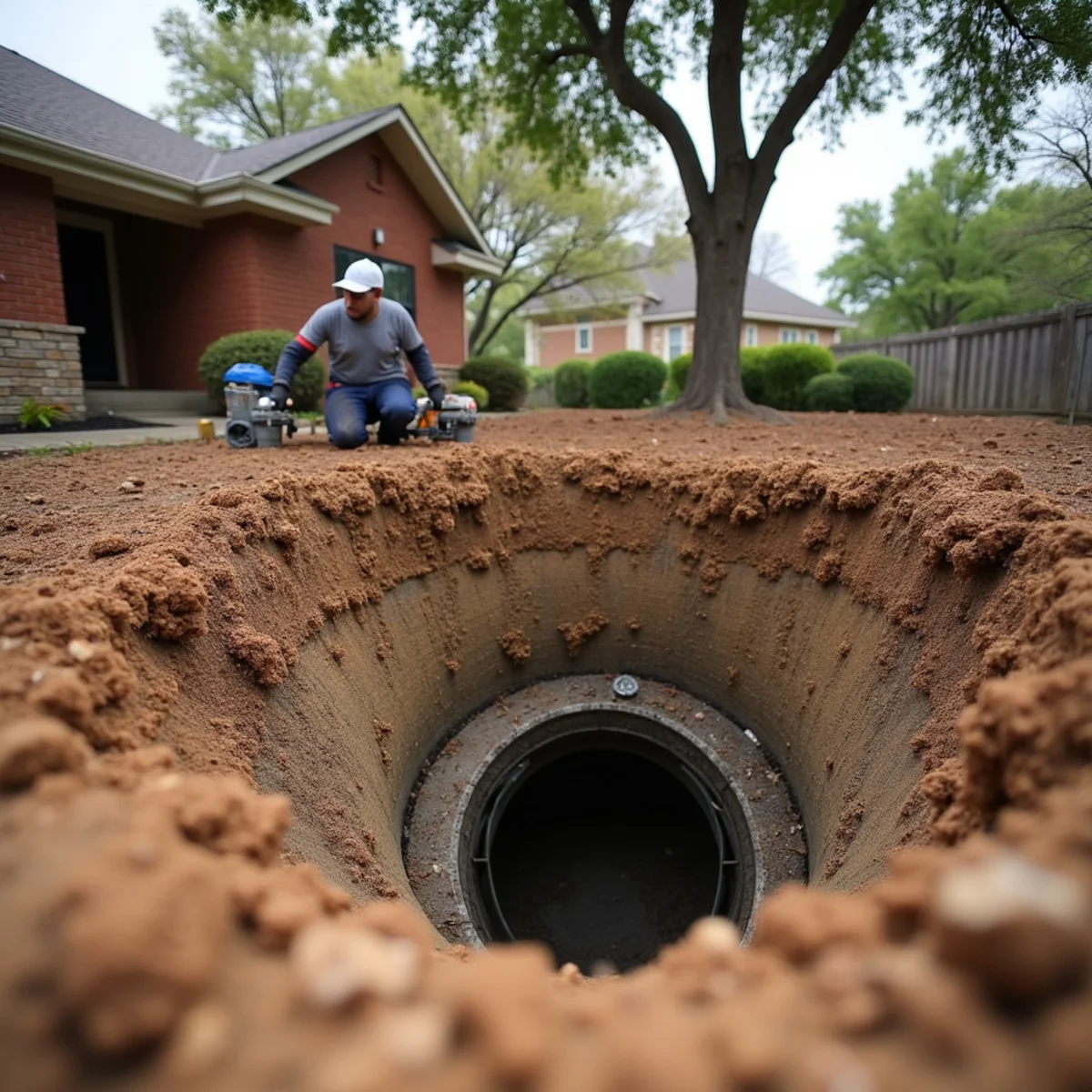
Historically, replacing under-slab plumbing required jackhammering trenches through living rooms, kitchens, and bedrooms, forcing homeowners to move into hotels for weeks. Today, Ten Mile Creek Plumbers utilizes exterior under-slab tunneling. Specialized crews excavate access pits outside the foundation and tunnel horizontally beneath the slab beams. Plumbers replace all failed cast iron with Schedule 40 PVC hung securely from the concrete slab, preserving your interior floors and daily routine completely.
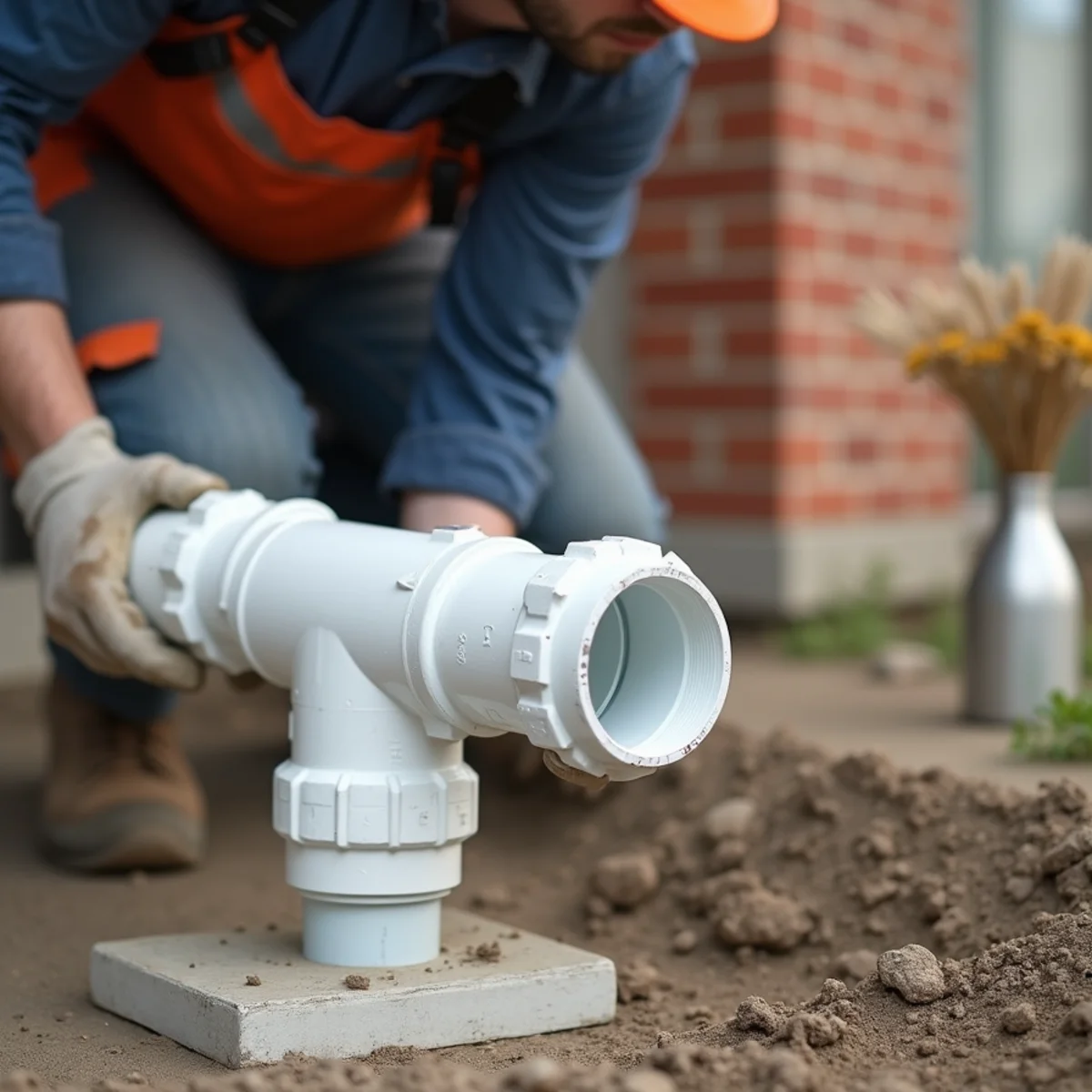
Dallas County Under-Slab Plumbing: Cast Iron vs Modern Schedule 40 PVC
| Performance Metric | 1960s–1970s Cast Iron (Current State) | Modern Schedule 40 Solid Core PVC | Foundation & Hydraulic Impact |
|---|---|---|---|
| Interior Surface Roughness | Heavy rust tuberculation (Hazen-Williams C=80) | Glass-smooth bore (Hazen-Williams C=150) | PVC eliminates snag points for grease and solids |
| Chemical Resistance | Eaten away by sewer hydrogen sulfide & drain acids | Completely impervious to acids and household chemicals | PVC prevents bottom invert channeling permanently |
| Joint Mechanics | Lead & oakum hub joints vulnerable to root penetration | Chemically solvent-welded fusion joints | Solvent-welded PVC creates an impenetrable root seal |
| Structural Support | Direct contact with shifting Blackland clay soil | Mechanically suspended from concrete foundation beams | Hanger rods prevent line sagging even during soil drought |
| Expected Service Life | 40–50 years (past engineering design lifespan) | 75–100+ years maintenance-free | Permanent infrastructure upgrade for future resale value |
Hydrostatic Testing & Pressurized Slurry Backfill Under Slab Foundations
Replacing under-slab cast iron through tunneling requires strict structural protocols to safeguard your foundation. Once our licensed plumbers hang the new Schedule 40 PVC trunk and branch lines from the foundation grade beams using heavy-duty stainless clevis hangers, we perform a mandatory City-inspected hydrostatic test. Inflatable rubber test plugs are inserted into the exterior cleanout, filling the entire drainage system with water up to the highest flood rim. The system must maintain 100% zero drop in water level for a minimum of 15 minutes. After municipal inspection sign-off, the subterranean tunnels must never be backfilled with loose dirt, which leaves voids that cause foundation settlement. Our crews pump pressurized, flowable mud-slurry (a cohesive blend of soil, cement, and water) back into the voids, ensuring the foundation retains 100% ground bearing capacity.
Frequently Asked Questions
Practical answers from our local plumbing repair team.
Cured-In-Place Pipe (CIPP) epoxy lining requires an intact, structurally round host pipe to adhere properly. If the bottom of the cast iron has already channeled out into dirt, epoxy liners have no structural support and will rapidly collapse or deform under soil pressure. Tunneling and hanging new PVC is the only certified long-term engineering solution.
Related Services & Local Coverage
Explore our dedicated service options and neighboring dispatch areas:
Don't Let Plumbing Problems Escalate
Every plumber we send is licensed and insured in Texas. Upfront written price given before work starts.
Not Urgent? Send a Service Request
If your plumbing project can wait for scheduled daytime evaluation, submit your details below. We will coordinate with an independent licensed Texas plumber in Duncanville to confirm your appointment.
Do not wait for a form response if water is spreading or sewage is surfacing. For the fastest help, call immediately:
(858) 363-8298 (Answering 24/7)